
Many products in our daily life have 3D curved surfaces or are large in size. DOTSLaser analyzes the application industries of such products:

1. 3D dynamic carbon dioxide laser marking machine is widely used in the clothing industry.
Laser marking machines offer advantages over subsequent processes such as burnout, hot stamping, and embossing, including ease and speed of production, flexible pattern change, clear images, a strong three-dimensional effect, the ability to fully express the natural color and texture of various fabrics, and a long-lasting aesthetic. Combining this with hollowing techniques creates a truly stunning finish, complementing each other perfectly. Laser embroidery for apparel fabrics and garments is suitable for textile finishing plants, fabric processing plants, garment factories, and fabric and accessories processing companies.

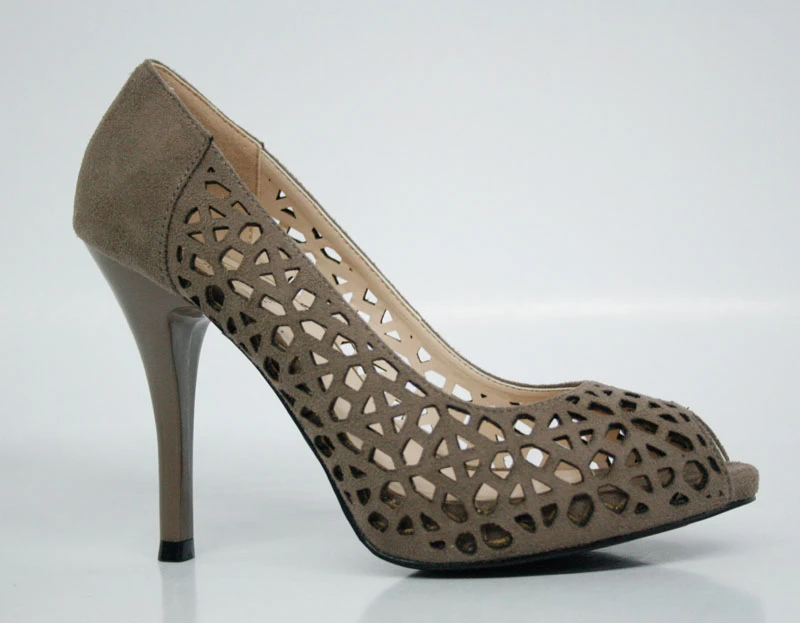
The advantage of laser marking machines is that they can quickly engrave and hollow out a variety of patterns on various leather fabrics. They are also flexible to operate, without deforming the leather surface, allowing the leather's natural color and texture to be fully realized. They also offer high engraving precision, burr-free hollowing, and the ability to create any desired shape. They are well-suited to the needs of manufacturers of shoe uppers, shoe materials, leather goods, handbags, luggage, and leather clothing.
2. 3D dynamic carbon dioxide laser marking machine is widely used in the leather industry.
Dynamic laser marking machines connect laser equipment to specialized software, allowing for automatic engraving via input of artwork. Currently, dynamic laser marking machines represent a mature, widely used, and highly efficient technology in the laser processing industry. This technology can engrave any complex pattern. It can also create hollow carvings and blind grooves without penetration, creating a variety of stunning patterns with varying depths, textures, layering, and transitional colors. With these advantages, laser engraving caters to the latest trends in international garment processing.
3. 3D dynamic carbon dioxide laser marking machine is popular in the shadow carving industry.
Dynamic CO2 laser marking machines can engrave text, images (landscapes, celebrities, personal portraits), or patterns on various stone materials, including marble, granite, and artificial marble slabs. These machines feature delicate craftsmanship, lifelike images, a strong three-dimensional effect, a deep, tactile feel, and resistance to deformation and fading even when placed outdoors. They are widely used in stone carving, tombstones (artistic monuments, monuments of merit, and inscriptions on memorials), and stone crafts (mural decorations, screens, studio portraits, and desk decorations). Shadow engraving features lifelike images, resists deformation, and is weatherproof, overcoming the yellowing and fading of photographs and images over time, ensuring their preservation.

4. 3D dynamic carbon dioxide laser marking machine for exquisite marking of ceramic products.
Ceramic laser marking machines are driving the development of ceramic marking technology. Simply put, ceramic laser marking involves marking the surface of an object with corresponding numbers, text, or patterns, giving it a modern and informative look. Whether it's a product trademark, batch number, date, or even a meaningful, specific pattern or number, advanced ceramic laser marking machines can add a unique and stylish touch. Long-lasting, fade-resistant, and blur-resistant, they are all incredibly popular.
With the advancement of laser technology, product marking is becoming increasingly popular, similar to metal laser marking machines and fiber optic automatic marking machines. Ceramic laser marking machines utilize a CO2 radio frequency laser and a high-speed scanning galvanometer system. Equipped with high-quality optical components, a highly stable laser power supply, and a fully automatic control system, the system offers high marking accuracy, fast speed, and extremely stable performance, enabling long-term continuous operation.


