
Laser: Light produced by artificially exciting a specific substance with strong energy such as light or electrical discharge. When electrons in atoms absorb energy and transition from low energy level to high energy level, and then fall back from high energy level to low energy level, the released energy is released in the form of photons, resulting in a collimated, monochromatic, coherent directional beam.
It has the characteristics of good monochromaticity, high brightness, good directionality and high coherence.
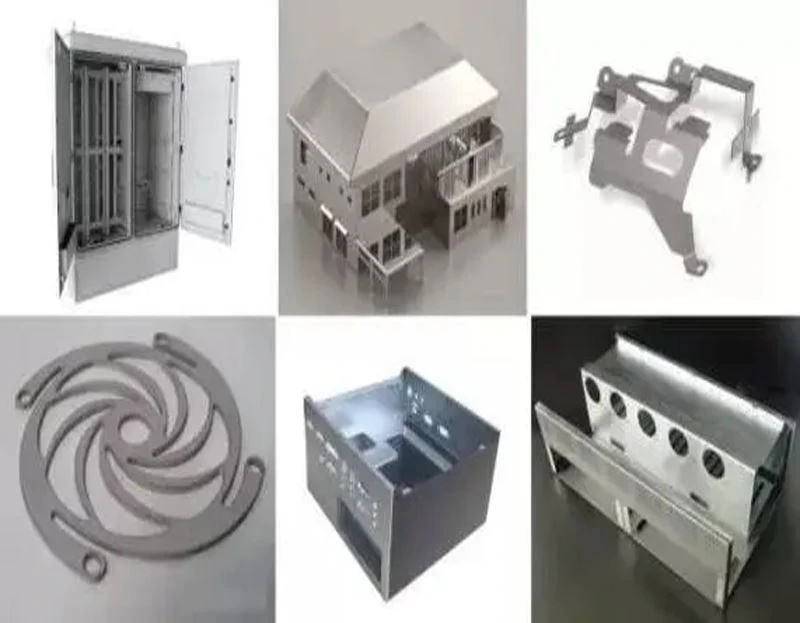
The industrial chain is complete, and the application penetrates into all walks of life: laser processing, laser medical treatment, laser detection, laser lighting and other technologies widely support automobile, electronics, aviation, metallurgy and other industries.

Compared with traditional processing, laser processing technology has the advantages of high precision, fast speed, non-contact, intelligent and flexible.
Optical processing has been gradually applied to traditional manufacturing industries, greatly improving production efficiency: technologies such as laser marking, deep engraving, cutting and welding have gradually replaced traditional inkjet printing, metal mold steel etching, and mechanical cutting processes.
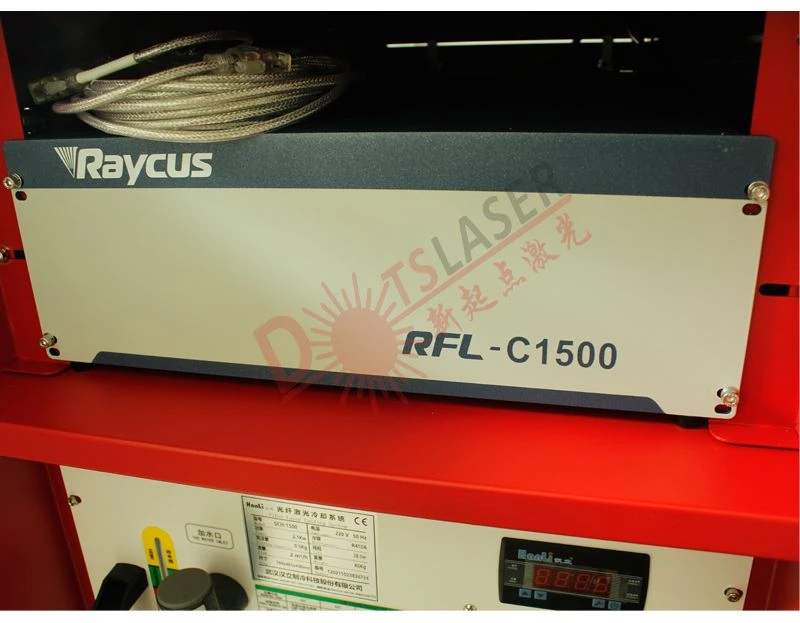
A laser is a laser generating device. A typical laser consists of four parts: an optical system, a power supply system, a control system and a mechanical structure. The power supply system, the control system and the mechanical structure jointly assist the optical system to output laser light. The optical system is the most important component for laser generation, and has three functional components: pump source, gain material, and resonator. Mercury source: used to lift the particles in the gain material from the ground state energy level to the excited state energy level, providing a light source. Gain material: Amplifies the light after absorbing the energy provided by the pump source. Also known as the laser working substance, it realizes the population inversion together with the pump source, and at the same time determines the wavelength, output power and application field of the laser that can generate laser light. Optical resonator: The loop between the pump light source and the gain medium controls the laser output through continuous reflection between the two mirrors.


