



Design Jeans Using Laser Engraver
Design Jeans using laser engraver
Products Description
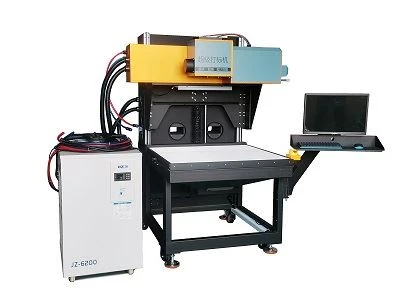
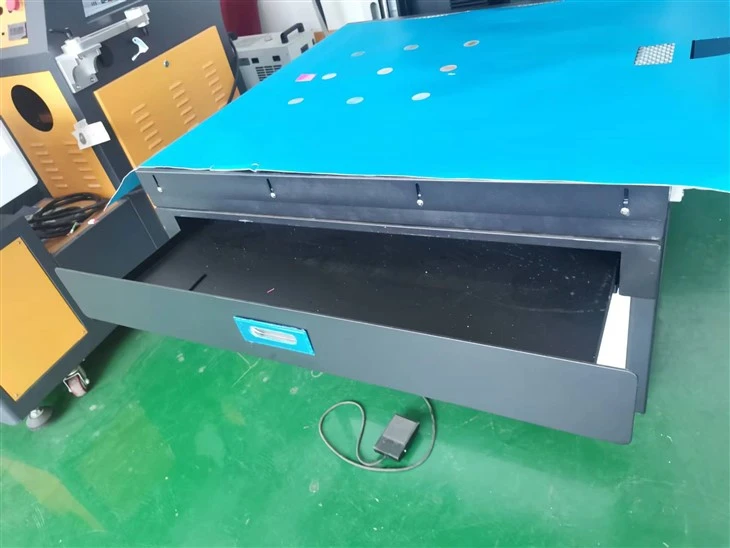
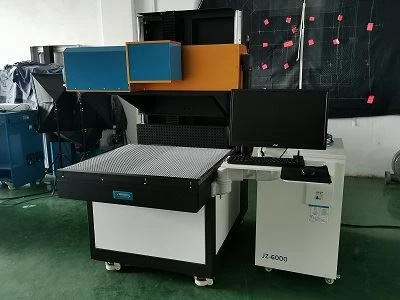
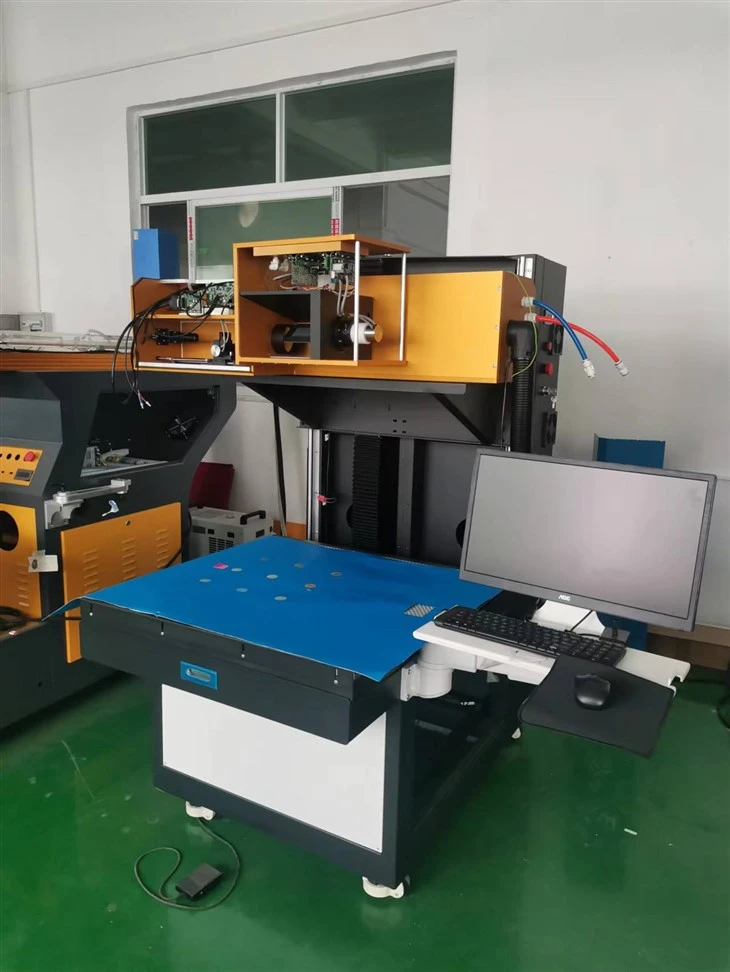
Laser engraving denim is an attractive way to personalize your denim products. Moreover, it's also a very durable option. Laser engraving denim is a new technology that uses laser beams. The laser beam helps to make complicated designs or text on denim fabric.
Product's Main features
User-friendly software:
Dotslaser laser machines come with user-friendly software that allows for easy design creation. Moreover, this software also helps to control the laser engraving process. This makes it easy for users to create high-quality designs.
High-speed engraving:
Dotslaser laser machines help to engrave designs at high speeds. Denim laser engraving machine also helps to achieve reduced cost results for businesses.
Wide range of materials compatibility:
Dotslaser laser machines can engrave designs onto a wide range of materials. The range includes leather, fabric, paper, and more. This makes them a versatile tool for businesses that work with a variety of materials.
Durable construction:
Dotslaser laser machines use durable materials and advanced engineering. The advanced tools help to ensure that engraving will withstand heavy use. Moreover, it also provides long-lasting performance.
Parameter
|
Laser tube parameters |
Max Output Capacity | 250W |
| Nominal Peak Powe | ≥450W | |
| Mode Quality | M2≤1.2 | |
| Duty Cycle Limit | ≤70% | |
| Laser Type | CO2 | |
| Laser Wavelength | 10.6μm | |
|
Marking performance |
Marking Format |
Pattern,Word,Bar code,QRcode,Date,Serial Number |
| Marking Character Types | Pattern and words of vectordiagram & bitmap | |
| Marking Area | 400X400-700X700(mmXmm) Adjustable | |
| Marking Depth | 0-5mm (According to the materials) | |
| Marking Speed | <7000mm/s | |
| Min Line Width | 0.3mm(According to the materials) | |
| Min Character | 0.4mm | |
| Repeat Positioning Accuracy | 0.01mm | |
| Machine information | Total Power | <6KW |
| Power Supply | AC220V/50Hz/30A | |
| Cooling Way | Constant temperature water cooling unit | |
| Working Temperature | 15-30℃ | |
| Working Humidity | <75 No condensation | |
| Working Environment | Without dust, without vibration | |
| Machine Packing Size | 1010*1340*1740mm | |
| Control cabinet packing size | 1060*660*1100mm | |
| Chiller packing size | 660*760*1080mm |
What's the process of engraving jeans

What's the process of engraving jeans
Step1: Pre-test the machine whether working normally or not, it can make you discrease the risk while you engraving your products,increse the producing rate greatly
Step2: Configure the software parameter that suitable for your materials,drag out your four rectangles, select them individually and choose a range of powers to engrave.
Step3: Make best engraving and adjust the setting,It is important to note that there are different weights of denim, different dyes. The cotton may be holding more water on some days, these variables will change the settings but they will be close. You will always need to do a test engraving on each new denim product
Long history of jeans
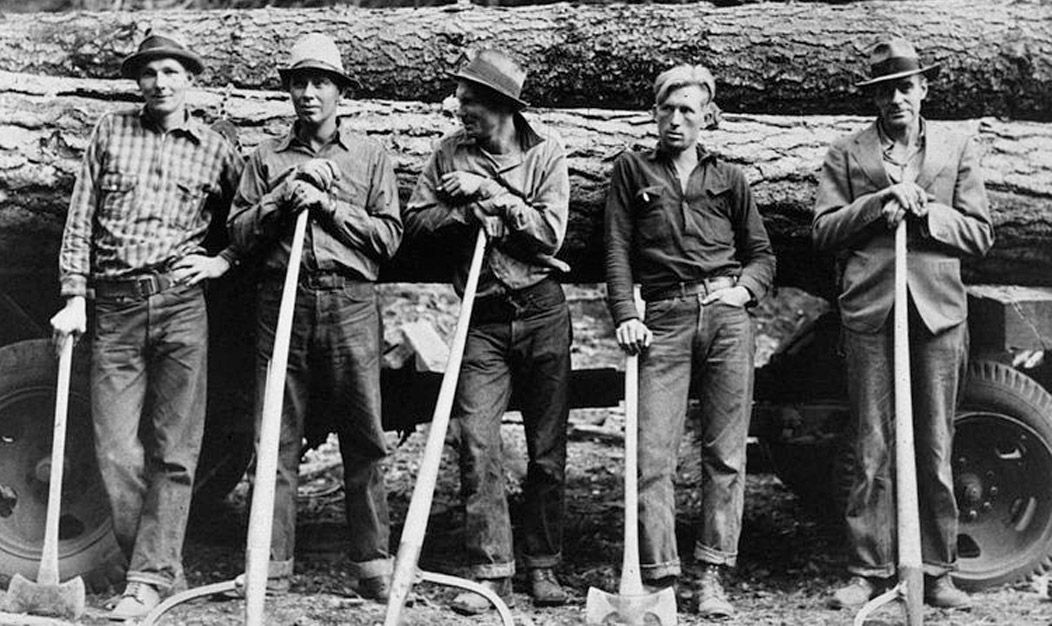
Early 20th century – Denim as Workwear
In the early 20th century, denim was adopted as the preferred workwear fabric choice for western cowboys, miners, farmers in the US. Not only was the fabric cheap, but denim was more durable and sturdy than the popular alternative – 'jean' (traditionally made from cotton, linen and wool). After Levi's & Strauss patented the metal rivets to make them more hard-wearing, they began producing the iconic denim blue trousers that became a common feature among working men.
1940s – Denim During the War
In the 1940s, the American GIs brought their beloved denim pairs with them overseas. Although the production of denim workwear (or waist overalls as they were known at the time) declined during the war, due to shortage of the raw materials needed to produce them, the end of the war marked a change in their perception. The denim jean became less associated with workwear and more closely linked to leisure wear.
1950s – Denim's Rise to Fame
The dark hue and stiffness of denim made it a popular fabric for trousers in the 1950s. Zippers were incorporated for the first time in 1954 and the younger generation began to wear denim trousers as leisurewear. As more and more you people began wearing denim they began referring to them as 'jeans' rather than denim overalls. Meanwhile, movie star icons such as Marilyn Monroe were reimagined the denim jean as an empowering and moderately sexualised style.
James Dean and Marlon Brando redefined the humble denim jean forever with their highly stylised roles in cult movies such as 'The Wild One' and 'Rebel without a Cause'. Naturally, everyone wanted to emulate these idols. Culturally, jeans became a symbol of the youth rebellion during the 1950s and 1960s as college students started wearing them as a protest against the Vietnam War and the formality of the establishment. At the same time, the denim jean became popular among motorcycle boys and juvenile delinquents, largely influenced by these screen idols. Straight-legged jeans became associated with these rebellious figures, which led to many US schools banning them from being worn. It seemed that nothing could slow down the popularity of denim jeans as one newspaper quoted: "90% of American youth wear jeans everywhere, except in bed or church".
Other countries quickly started to get accustomed to wearing jeans too. American servicemen on duty in Europe and Japan would often wore them when off- duty to show that they were Americans. The denim jean became a cultural signifier. The trousers showed the world a happier way of life; something that people needed, especially after what they had endured during World War II.
1960s – The Hippie Revolution
From the late 1950s, denim was readily associated with rebelliousness, individuality and self-expression. Students began wearing jeans to college and the humble jean trouser became an unofficial uniform at protests, discos and all range of social activities. At the same time, women were starting to embrace sexual liberation through their clothing. Their denim jeans came to reflect this spirit as they wore bolder styles with slimmer waists and wider, 'bell-bottoms'
1970s – Jean Americana
As demand grew for flared and bell bottom styles, the trend spread from the US to Europe and was no longer associated with the niche hippie movement. Denim jeans became the go-to style for youths in all areas of life.
Decorated denim also rose in popularity as people chose to customise their jeans with sequin, embroidery, paint or beads. Denim jeans became a sartorial route to individuality.
1980s – The Rise of Designer Denim
In the 1980s, denim managed to sneak itself into other subcultures such as punk, grunge and rock. New finishes such as acid wash became popular and the denim skirt and ripped jeans make their mark in the sector too. The 1980s was also a pivotal point for denim as more fashion designers began incorporating the fabric into their collections. Brands such as Calvin Klein and Armani launched designer jeans for the first time, ushering in the age of premium denim. Adriano Goldschmied, the father of premium denim, also helped popularise a new denim fit in '80s – the skinny fit (hello stretch denim!) Some designers followed in his strides with jeans so tight that customers would need to lay down in order to zip them up.
1990s – Hip Hop denim
The 1990s ushered in another era in denim culture and styling with the emergence of baggy jeans and dungarees. Pop groups such as TLC, the Spice Girls and Destiny's Child helped boost these styles amongst their fans. The 1990s also saw the rise of the 'boot cut' – a slimmer, more subtle denim flare more suitable for daily wear – as well as the wide-legged JNCO style, which were extremely wide from the waist down. Oversized denim jackets, paired with jeans of a contrasting shade of indigo, became a key look with celebrities during this era.
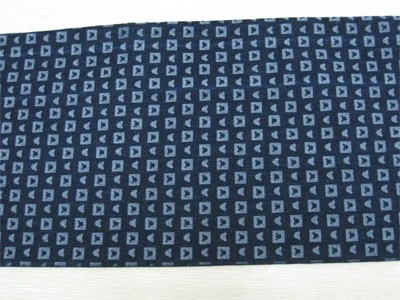
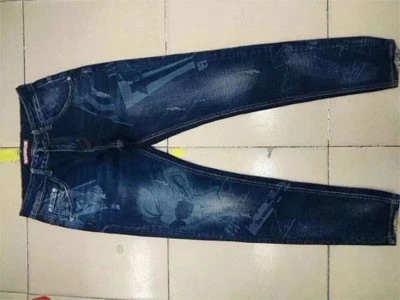
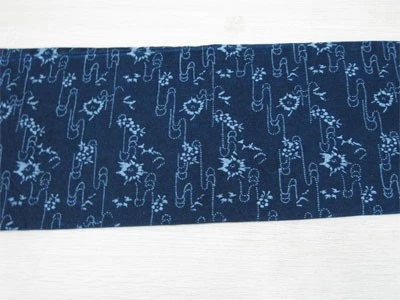
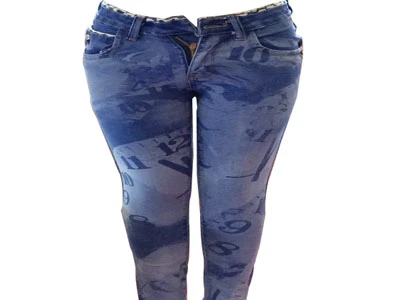
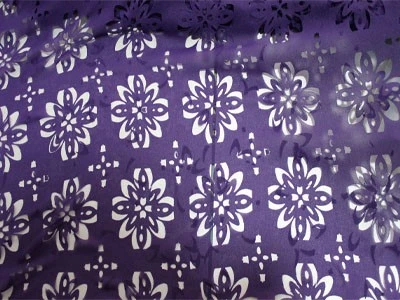
Samples Of Laser Marking Machine
Shipping and package
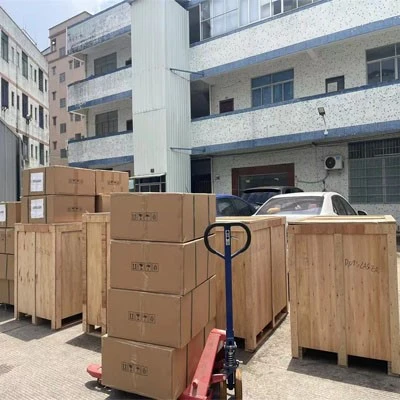
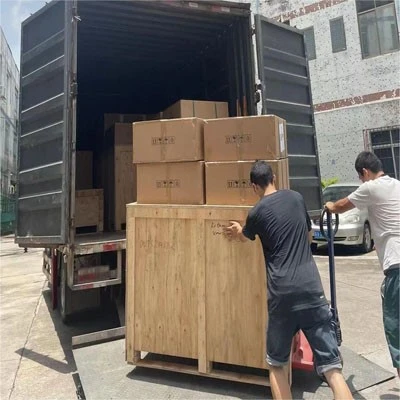
Unpacking Caution
Every marking machine has been rigorously tested at the factory, only qualified product for shipment. When you receive the freight, please check as follows. If you have any questions, please contact the agent or staff at DOTSLASER.
● Whether there is damage or deformation during transport.
● Confirm that all of the items on the packing list are correct.
● Confirm that the model of the product matches the nameplate(Operating voltage and KVA number).
● Make sure that all clamps are tight and that there are no foreign objects in the device.
● Confirm the operation buttons, switches are normal.
Terms and conditions:
1. VCD training,Easy installation
2. lead time:7-10 working day
3. sea shipping and car shipping
4. TT/western union/ paypal/Ali trade assurance payment
5. 24 hours respond
6. 1 year guarantee,free pre-sales consulting,free samples service
You Might Also Like


Send Inquiry