
Cold working
UV laser processing technology is the characteristic of the interaction between the laser beam and the substance to cut, weld, surface treatment, perforate and micro-machining of materials (metal and non-metal). The interaction between the uv laser and the substance is called "photochemical ablation". When the material is exposed to laser radiation and absorbs pulses of high peak power, it will cause a thin layer of internal bonds on the surface of the material to break, and the generated molecular fragments will diffuse into plasma. . The plasma diffuses outward while taking excess energy away from the material, so there is almost no damage to the area near the processing. This is what we often call the "cold processing" of the UV laser printer.
This kind of cold processing is special in laser marking processing, because it is not thermal ablation, but cold peeling that does not produce "thermal damage" side effects and breaks the chemical bond, so it does not produce heating or thermal deformation on the surface of the processed material. . The processed material has smooth edges and extremely low carbonization.
This feature of almost no damage to materials makes UV laser printers have a wider range of applications than fiber laser printers and CO2 laser printers. Code assignment on thin and light materials is its strength.
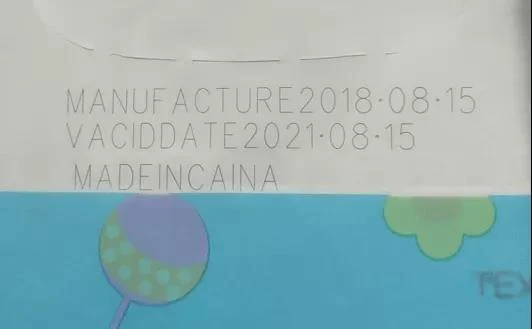
More precise coding
Among the laser printers, the wavelength of the ultraviolet laser printer is 355nm, and the wavelength of the fiber laser printer is 1064nm. Compared with fiber laser printers and CO2 laser printers, UV laser printers have shorter wavelengths.
Compared with the long-wavelength laser, the short-wavelength laser can obtain a smaller focused spot, which can be used for very fine micro-processing that is difficult to achieve by ordinary processing. Because ultraviolet laser has the characteristics of short wavelength, small focus-able spot, small heat-affected area, and flexible and convenient processing, it is widely used in fine processing.
Fiber laser printers and CO2 laser printers will cause varying degrees of damage to the surface of the processed materials, so compared with UV laser printers, the accuracy of the code is inferior.
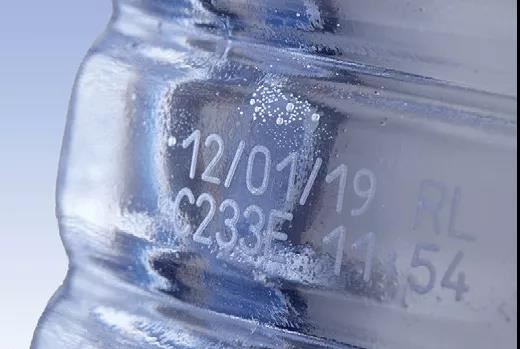
No consumables, low cost, no pollution
Before the advent of laser printers, the traditional coding methods used ink coding, which made the consumption of ink consumables large and kept the cost of marking and coding high. With the popularity of laser ink jet printers, the ink jet printers used in many industries are gradually updated to laser ink jet printers.
The UV laser printer uses the principle of breaking the chemical bond of the material with the UV laser beam for marking, so no consumables are produced in the daily operation, which greatly reduces the cost of coding for the enterprise.
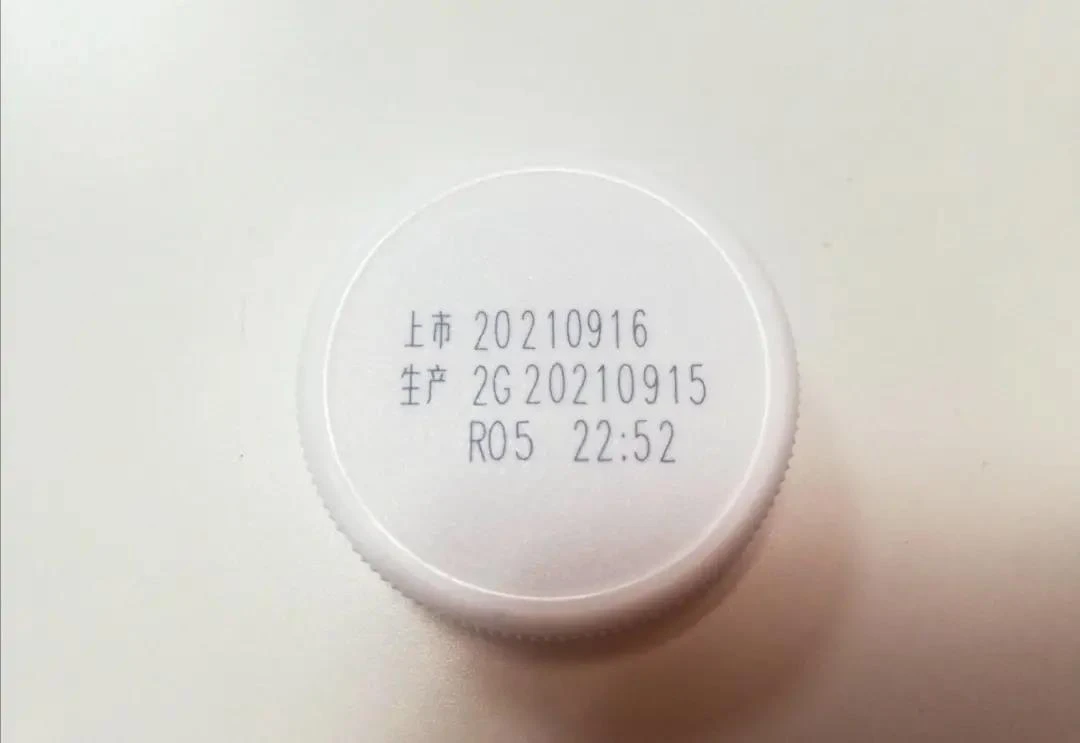
The non-toxic and non-polluting characteristics of UV laser coding also make it favored by many companies in today's more and more environmentally friendly. The numbers and two-dimensional code information inside the beverage bottle we have seen are all works of the UV laser printer, which also confirms its non-toxic and non-polluting characteristics.
Of course, the advantages of the UV laser printer include flexible installation, easy operation, modular structure, convenient maintenance and maintenance, and a wide range of applications. It is these advantages that allow it to stand out among many ink jet printers and is recognized by the majority of enterprises.


