


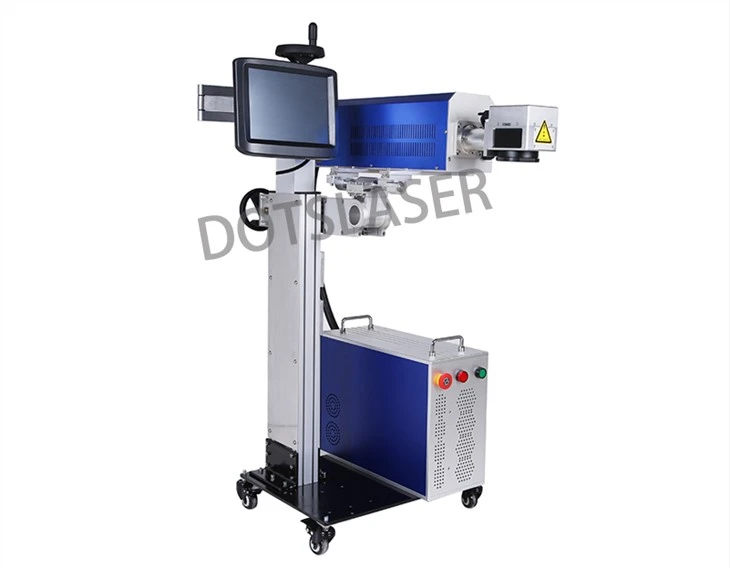
Wire And Cable Laser Marking Inkjet Printer
Wire and cable laser marking inkjet printer is more and more popular, Because the structure size of wire and cable products is usually small and uniform, so the manufacturing precision is high. As an advanced laser marking equipment, laser marking machine is replacing traditional coding equipment because of its many advantages, and has become the latest choice for wire and cable manufacturers.
Wire and Cable Laser Marking Inkjet Printer
Products Description
Wire and cable laser marking inkjet printers are specialized systems designed for marking wires and cables with identifying information, such as serial numbers, barcodes, or manufacturing details. These marking machines are commonly used in industries where identification and traceability of cables are essential, such as telecommunications, automotive, electronics, and aerospace.
advantages of wire and cable laser marking inkjet printers
| High precision | Both laser and inkjet marking technologies offer high-resolution printing and precision for clear, readable, and permanent marks on cable surfaces. |
| Non-contactl | The non-contact marking process ensures that there is no physical pressure applied to the cables during marking, reducing the risk of cable damage. |
| Versatility | The printers can handle a wide range of cable types, insulation materials, and diameters. |
| Low maintenance | Modern, high-quality laser and inkjet marking systems typically require minimal maintenance, resulting in lower operating costs. |
| Main Features | |
| 1. It can meet the general marking requirements, and at the same time, stable operation quality and high-definition laser marking meet the requirements of clear, durable and easy-to-distinguish marking of wire and cable products. | |
| 1. It can meet the general marking requirements, and at the same time, stable operation quality and high-definition laser marking meet the requirements of clear, durable and easy-to-distinguish marking of wire and cable products. | |
| 3. Suitable for high-speed production line marking (10,000mm/s). | |
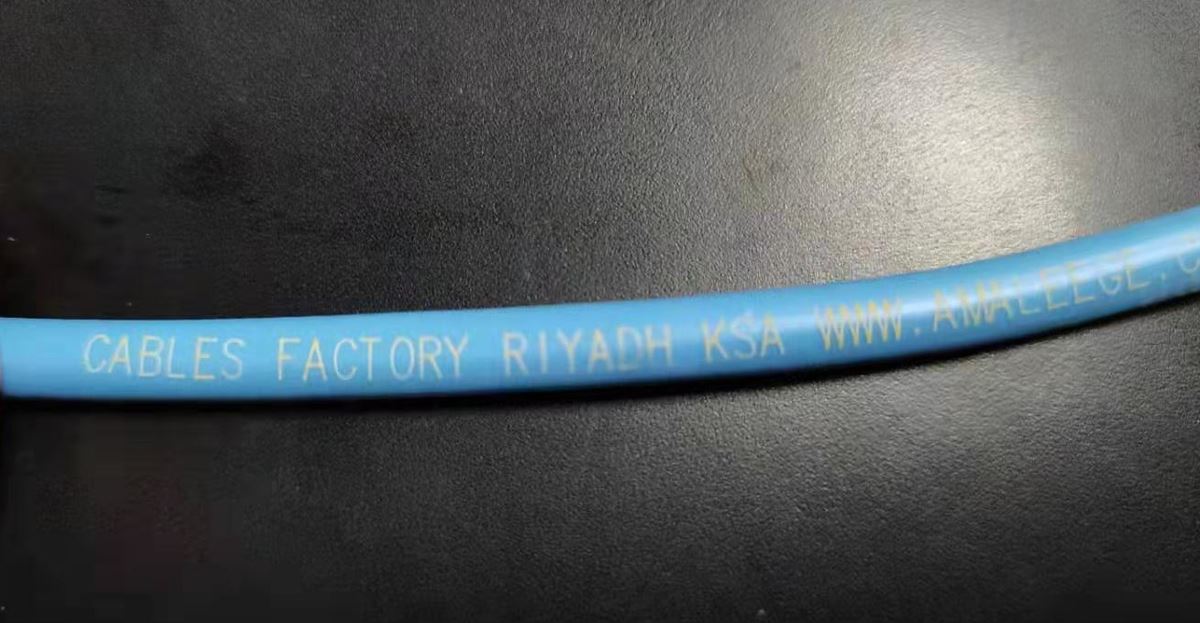
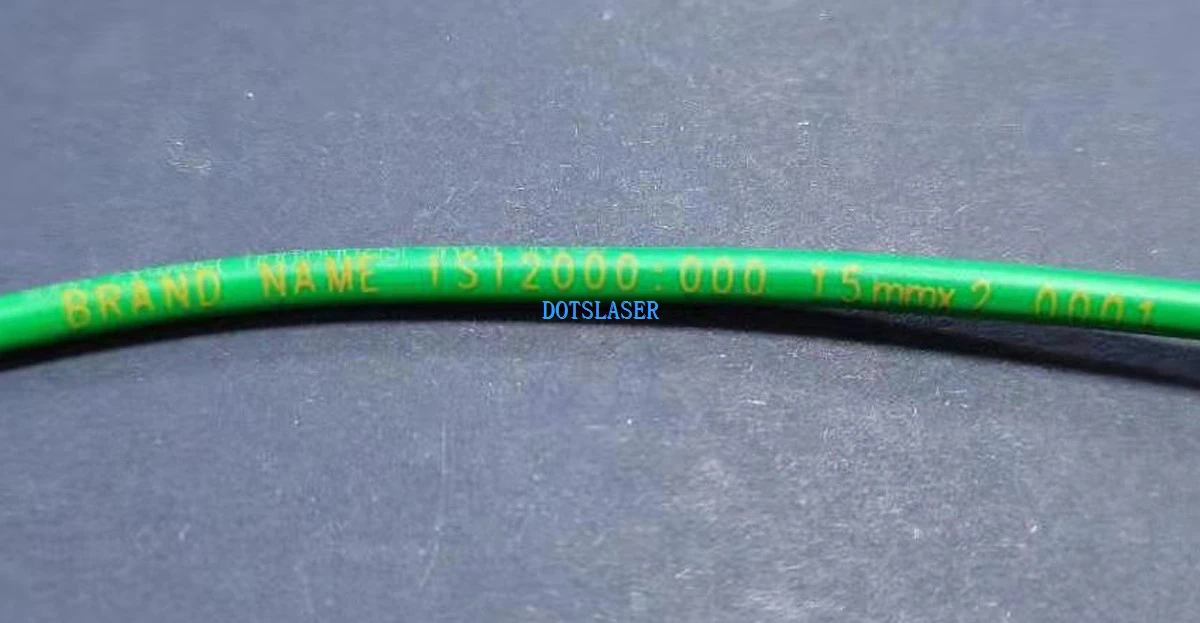
| 4. The logo after laser marking is permanent, will not wear and fade, and the printed characters are as small as 0.8 mm, which meets the printing requirements of small information, and can print various complex graphics or factory labels and standard certifications, such as TUV, UL, CE, etc. | |
| 5. The laser directly reacts with the surface of the material, showing a marking effect without consumables. | |
| 6. The special marking software can provide consistent and real-time marking information without affecting the continuous operation and use of the entire production process. | |
Laser marking: Laser marking machines use focused laser beams to create high-contrast, permanent, and abrasion-resistant marks on wire and cable insulation surfaces without causing damage. They are suitable for multiple materials, including PVC, Teflon, and various thermoplastics. The most commonly used lasers for wire and cable marking are fiber lasers, CO2 lasers, and UV lasers, each with different benefits depending on the materials and requirements.
Inkjet marking: Inkjet printers employ a non-contact technique to apply ink-based markings onto cable insulation. They leverage either Continuous Inkjet (CIJ) or Drop-on-Demand (DoD) technology to accurately create high-resolution marks. CIJ printers are preferred for high-speed applications, while DoD printers offer higher resolution and lower operating costs.
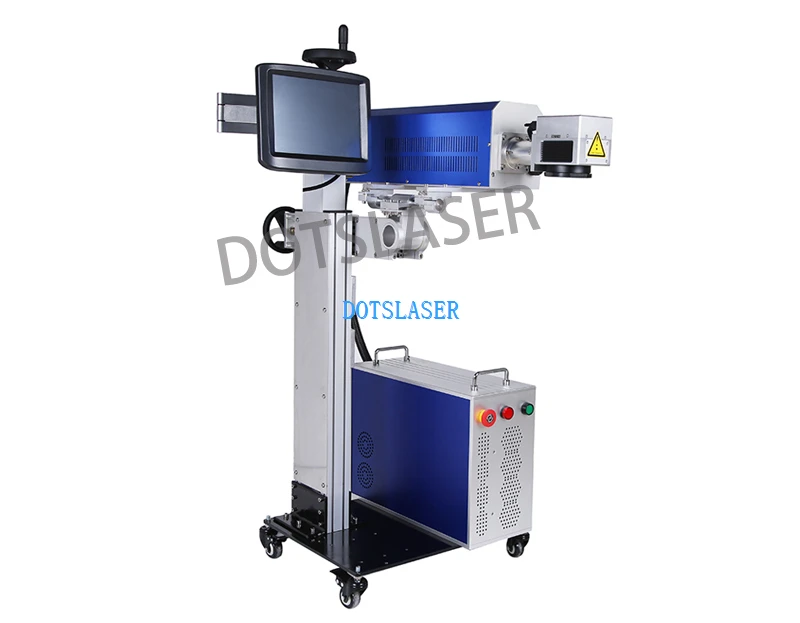
Parameters
|
Model |
DS-LMC30 |
DS-LMC60 |
|
Laser power output |
>30W |
>60W |
|
laser wavelength |
9.3μm/10.6μm |
|
|
Marking area |
100x100mm(standard) |
|
|
Pulse frequency |
1~100KHZ |
|
|
Max marking speed |
8,000mm/s |
|
|
Font format |
Dot,single line,True type |
|
|
Code format |
Most 1D & 2D codes available |
|
|
Supported interface |
USB,TCP/IP,RS219 for encoder and sensor |
|
|
Repeat accuracy |
±0.001mm |
|
|
Min.line width |
0.1mm |
|
|
Min.character size |
0.2mm |
|
|
Cooling |
Air cooled |
|
|
Working temp |
5~35 ℃ |
|
|
Net weight |
80KG |
|
|
Power supply |
AC220V±10%,50Hz or AC110V±10%,60Hz |
|
When selecting a wire and cable laser marking inkjet printer, consider the following factors:
Printing technology: Determine whether laser marking or inkjet marking is best suited for your specific needs in terms of marking durability, speed, quality, and cost.
Material compatibility: Ensure that the printer is compatible with the insulation materials and cable types used in your application.
Automation level: Some marking systems offer full automation with integrated cable handling and cutting capabilities, which can significantly improve productivity.
Printing speed: Verify that the printer's marking speed meets or exceeds your production requirements to avoid bottlenecks.
Marking software: Evaluate the software provided with the printer to ensure compatibility, ease of use, and the availability of necessary marking features or customization options.
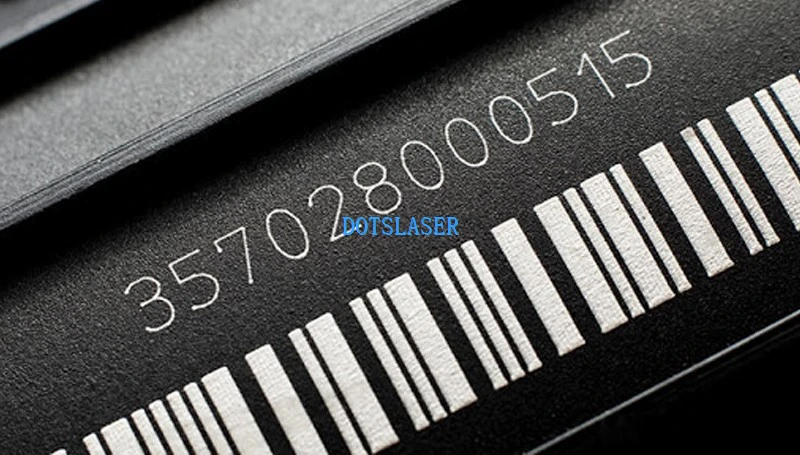
Samples show
Shipping and package

You Might Also Like


Send Inquiry